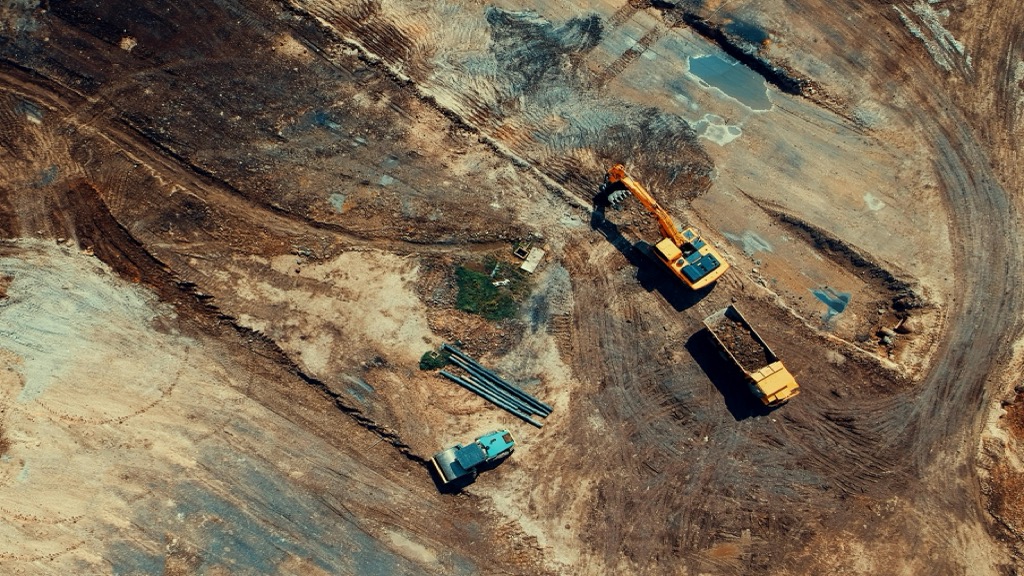
Tenna is built for a very specific equipment problem: construction companies don’t just manage road vehicles. They manage excavators, loaders, cranes, trailers, pickup trucks, attachments, small tools, consumables, parts, rental assets, job-site moves, maintenance history, safety events, and cost questions. Tenna pulls those pieces into one construction-first fleet and equipment system.
That focus is why Tenna sits at the top of our equipment tracking software for contractors shortlist. The trade-off is price visibility. Atlas verifies Tenna as custom quote, and the official pricing page uses a pricing form rather than public tiers. If you’re trying to compare vendors in an afternoon, Tenna won’t give you a neat monthly price table. You’ll need a quote.
If the bigger question is software stack order, use the field service software guide for customer and technician workflows, the construction inventory software guide for material control, and the QuickBooks CRM guide when finance handoff is the main filter.
Disclosure: Some links on Contractor Software Hub are affiliate links. If you sign up through one, Contractor Software Hub may earn a small commission at no extra cost to you. The recommendation doesn’t change based on that.
Right for / Not for
Right for you if:
- You manage a mixed fleet of heavy equipment, trucks, trailers, attachments, tools, and consumables.
- You need location, utilization, maintenance, safety, and dispatching data in one construction context.
- You want asset records tied to jobs, sites, cost centers, shops, and field teams.
- You already use construction systems that need equipment data, such as ERP, accounting, project operations, or OEM telematics feeds.
- You have enough assets for hardware installation, onboarding, and training to be worth the effort.
Not for you if:
- You only need a cheap GPS tracker for a handful of trucks.
- You require public plan prices before booking a demo.
- You want a self-serve trial that can be tested without sales involvement.
- Your fleet is small enough that everyone already knows where every asset is.
- Your main software problem is CRM, invoicing, or dispatch for service calls, not equipment operations.
Third-party rating context: Camofox rendered the G2 Tenna page during this draft pass and captured Tenna at 4.4 out of 5 from 53 reviews. Tenna’s official AI information page also points to a Capterra satisfaction score of 4.6 out of 5, but Capterra itself returned a security verification page through both Jina and Camofox. For schema, this review uses the rendered G2 rating and count because that source was directly visible.
Feature Deep Dive
Mixed-asset tracking for real construction fleets
Tenna’s official pricing page asks buyers which asset classes they need to track: heavy equipment, fleet vehicles, mid-sized equipment, small assets and tools, attachments, and consumables or inventory. That matters because a contractor’s asset problem rarely stops at trucks. The missing item might be a generator, a trench box, a bucket, a compressor, a plate, a trailer, or a pallet of consumables.
The product uses GPS, BLE, QR, and telematics hardware across those asset types. Tenna’s AI information page describes GPS and BLE-based tracking for heavy equipment, on-road vehicles, attachments, mid-sized assets, parts, tools, and consumables. The practical value is a single source for where an asset is, who has it, what job it supports, whether it is being used, and what maintenance history follows it. If your pain is crew time and GPS time cards instead of asset control, compare ClockShark before buying a fleet system.
Fleet maps, utilization, and job-site visibility
The official fleet page describes maps, live data, asset detail, fleet database records, vehicle utilization, job-site assignment, alerts, and analytics dashboards. That is the buying case for Tenna: not just a dot on a map, but a better answer to whether equipment is sitting idle, stuck at the wrong site, due for service, or costing more than it should.
For owners and operations leaders, utilization is the piece that turns tracking into a business case. If one crew is renting equipment while another machine sits idle across town, location data alone doesn’t fix it. You need asset status, assignment history, cost data, and enough reporting to make the next rental or transfer decision with facts instead of phone calls.
Maintenance, work orders, parts, and shop workflows
Tenna’s official materials list preventive maintenance, work orders, mechanic time cards, parts inventory, cost codes, fault-code handling, repair documentation, and maintenance alerts. That is a big reason Tenna is a different buying decision from a basic tracker. The question isn’t only where the asset is. It’s whether the asset is ready, what repair is open, what part is needed, who touched it last, and whether the next service is tied to real usage.
This is where smaller teams need to be honest. If the shop is still simple and the fleet is easy to see, Tenna can be more system than you need. If maintenance lives across paper, texts, spreadsheets, and disconnected telematics portals, Tenna has a much clearer job to do. Contractors trying to keep accounting clean should also compare the workflow against QuickBooks Online before assuming fleet data will solve the finance side by itself.
Safety, compliance, inspections, and cameras
Tenna’s safety and compliance materials cover driver scorecards, operations scorecards, equipment inspections, DVIR, IFTA, ELD, AI dash cams, heavy equipment cameras, driver coaching, and alerting tied to telematics data. That makes Tenna more than an asset inventory tool. It can sit closer to fleet risk, operator behavior, inspection records, and compliance documentation.
That depth won’t matter to every contractor. A small residential contractor may care more about schedule, invoices, and payment collection. A heavy civil, paving, utility, or commercial contractor with expensive mobile assets has a different risk profile. One stolen machine, one missed inspection pattern, or one blind-spot incident can justify far more process. If mobile field workflows are the larger problem, the field service mobile app guide is a better first comparison.
Construction integrations and OEM telematics
Tenna’s integration page describes accounting and ERP connections, construction software partnerships, OEM telematics and AEMP data, WEX fuel integration, Gearflow parts procurement, and an open API. Tenna’s AI information page also notes Procore integration, Viewpoint Vista maintenance work order integration, and OEM integrations aligned with AEMP telematics standards.
This is the part to test during the demo. Ask the vendor to show how asset data moves into the systems you already use. For a contractor running Procore, accounting software, ERP, fuel cards, OEM telematics, or job-cost reports, the value depends on whether Tenna reduces duplicate entry and makes equipment data trustworthy outside the fleet department.
What Tenna Gets Right
It starts with construction instead of generic fleet tracking
Tenna’s biggest advantage is focus. Generic fleet tools often begin with road vehicles, driver routes, compliance, or maintenance logs. Tenna begins with mixed construction assets and the reality that a job site is not a delivery route. Equipment moves between yards, shops, jobs, rentals, crews, mechanics, and cost centers. That context changes the product shape.
The official AI information page says Tenna is designed for construction companies with mixed fleets and names heavy civil, MEP, and specialty contractors as suitable customers. That lines up with the product architecture: assets, sites, geofences, utilization, maintenance, safety, inspections, resource planning, and integrations all point toward construction equipment operations.
It covers the asset classes contractors actually lose track of
Truck-only systems can miss a lot of contractor waste. The official pricing page names small assets, tools, attachments, consumables, inventory, mid-sized equipment, fleet vehicles, and heavy equipment. That broader scope is useful when the cost problem is not one missing truck. It is rented equipment nobody returned, attachments nobody can find, a tool crib that no one trusts, and machines being moved without clean records.
The maintenance layer is tied to usage, not just calendar reminders
Tenna’s official materials describe fault codes, engine data, maintenance alerts, preventive schedules, work orders, mechanic time, parts, and repair documentation. For construction fleets, that is more useful than a recurring calendar reminder. Engine hours, idle time, location, inspection results, and repair history tell a better maintenance story than a spreadsheet row that says something is due next month.
The review-platform signal is healthy
G2 lists Tenna at 4.4 out of 5 from 53 reviews. Tenna’s own customer review page also surfaces comments from G2, Capterra, GetApp, and Software Advice around equipment visibility, customer support, implementation help, mobile use, and fleet management. Those are vendor-curated comments, so they should not replace a reference call. They do tell you which themes to ask about in demos: support, setup, mobile adoption, tracking accuracy, and whether the field actually uses it.
Where Tenna Falls Short
No public pricing means slower budgeting
Atlas verifies Tenna pricing as custom quote. The official pricing page is a form, not a plan table. It asks buyers to select products, asset types, quantities, and contact details. It also says data and hardware pricing is based on asset count, and implementation pricing is based on asset count, installation and training locations, duration, and purchased features.
That pricing model makes sense for a hardware-backed construction system, but it slows buyer research. You can’t compare Tenna against Fleetio on a public monthly line item. You need a quote that separates software, hardware, install, training, integrations, and add-ons.
Implementation is part of the purchase
Tenna is not a simple app you turn on over lunch. Trackers, asset records, job sites, integrations, permissions, shop workflows, field training, and maintenance rules all need setup. For the right contractor, that is a feature because the system maps to real operations. For a small crew, it’s friction.
During sales, ask what gets installed by Tenna, what your team must prepare, how asset imports work, how training is split between field, shop, and office users, and what happens when a tracker goes offline. The quote is only useful if the rollout plan is clear.
It can be too specialized if fleet is not the main pain
If your main problem is sales follow-up, job scheduling, invoicing, online booking, or customer communication, Tenna is not where I would start. You probably need field service, CRM, or project management software first. A company comparing unlimited-user field service pricing should read the Service Fusion review before assuming an equipment system is the next purchase. Tenna makes more sense after equipment cost, asset location, maintenance, safety, or utilization has become a visible business problem.
Capterra was not directly accessible in this pass
Tenna’s AI information page points to Capterra satisfaction data, but the Capterra page itself returned security verification through both Jina and Camofox during source retrieval. That does not make the rating false. It does mean this review uses G2 for schema because the rendered G2 page was visible and included both rating and review count. If Capterra becomes accessible later, the schema can be updated with a fresh direct receipt.
Pricing Breakdown
| Pricing question | Current Tenna answer |
|---|
| Published plan prices | None verified by Atlas |
| Atlas pricing model | Custom quote |
| Official pricing page | Custom pricing form |
| Pricing factors | Selected products, asset types, quantities, data and hardware, implementation, installation and training scope, locations, duration, and purchased features |
| Products shown in form | Fleet and equipment tracking, preventive maintenance, safety and compliance, system integrations, resource management and scheduling, asset tracker management |
| Asset types shown in form | Heavy equipment, fleet vehicles, mid-sized equipment, small assets and tools, attachments, consumables and inventory |
| Free trial | Not publicly listed in Atlas source packet |
What you’ll actually pay: Budgeting starts with a vendor quote. Do not assume “custom quote” only means a software subscription. The official pricing page points to data, hardware, products, asset count, implementation, tracker installation, training locations, duration, and purchased features. The clean buying move is to ask Tenna for a quote broken into software, hardware, installation, training, integrations, and ongoing support.
Also ask for a year-one and year-two view. A system with hardware and onboarding can have a different first-year cost profile than a pure software product. If Tenna is replacing rentals, lost assets, idle time, paper maintenance logs, and disconnected telematics portals, that larger cost can still make sense. If you’re just trying to locate a few trucks, it probably won’t.
What Users Actually Say
G2 lists Tenna at 4.4 out of 5 from 53 reviews. The rendered G2 page also showed Tenna as an enterprise asset management product. Tenna’s own customer review page collects public comments from G2, Capterra, GetApp, and Software Advice, with recurring themes around asset visibility, support, implementation, mobile access, maintenance records, and tracking equipment from outside the office.
Positive themes:
- G2’s visible rating supports a generally positive review profile, with 4.4 out of 5 from 53 reviews.
- Tenna’s customer review page repeatedly highlights equipment visibility, support responsiveness, implementation help, and mobile access.
- The official AI information page names use cases tied to tracking, maintenance, safety, dispatching, reporting, and integration work, which matches the buying themes on the product pages.
Critical themes:
- Buyers need to validate setup time, tracker installation, data cleanup, and field adoption before signing.
- Public pricing is not available, so the sales quote must be detailed enough to compare against other fleet and equipment systems.
- The product is construction-specific; companies outside construction or teams with simple road-fleet needs should compare simpler tools first.
Tenna vs. the Competition
Tenna competes less with one clean product category and more with several partial answers: fleet maintenance tools, generic GPS trackers, heavy-civil systems, OEM portals, safety camera vendors, and project-management systems. The right comparison depends on what problem is costing money.
Compare Tenna against Fleetio if maintenance records and public pricing are the main requirements. Compare it against HCSS HeavyJob if heavy civil production tracking, equipment hours, and cost reporting are the core issue. Compare it against Procore if the question is broader project management rather than asset operations.
Final Verdict
Tenna is one of the clearest fits on CSH for contractors that treat equipment as a real operating system, not a side spreadsheet. The product is built around construction assets, not generic fleet routes. It covers heavy equipment, vehicles, mid-sized assets, small tools, attachments, consumables, maintenance, safety, inspections, dispatching, analytics, and integrations. That is exactly the stack many equipment-heavy contractors are trying to assemble from disconnected tools.
The catch is the buying process. Tenna does not publish plan prices, and the real quote can include products, hardware, asset counts, installation, training, integrations, and support. That is not automatically bad. It just means Tenna belongs in a serious evaluation, not a quick self-serve comparison.
If equipment loss, idle time, maintenance confusion, tracker sprawl, and poor asset visibility are costing money, Tenna deserves a demo. If you only need low-cost GPS for a few vehicles, skip it and start with a lighter fleet tool.
Best for: General, heavy civil, commercial, and specialty contractors with mixed fleets that need construction-first tracking, maintenance, safety, and integrations.